 $ USD
Blog

Where Do Resellers Get Their Products? A Complete Guide to Finding Profitable Inventory
Discover Where Successful Resellers Source Their Products
Have you ever wondered where resellers find the products they sell online and in retail stores? From trending electronics and fashionable clothing to automotive parts, home essentials, and liquidation merchandise, successful resellers rely on strategic product sourcing to find quality inventory at competitive prices.
Whether you’re starting a resale business, growing an online store, or looking for affordable wholesale products, understanding where resellers buy their inventory can help you discover profitable opportunities, reduce purchasing costs, and build a sustainable business.
Resellers typically source products from wholesalers, manufacturers, liquidation companies, online marketplaces, distributors, thrift stores, and clearance sales. The best option depends on your budget, product niche, target customers, and desired profit margins.
1. Wholesale Suppliers and Distributors
Wholesale suppliers are among the most popular sources for resale inventory. They sell products in bulk, often at lower per-unit prices than traditional retail stores.
Resellers can find wholesale clothing, electronics, beauty products, accessories, household goods, and automotive supplies through established distributors and specialized wholesalers.
Why choose wholesale sourcing?
- Competitive bulk pricing for larger orders.
- Opportunities to build long-term supplier relationships.
- More consistent inventory for established businesses.
- Potential access to branded and specialized merchandise.
Before placing a large order, compare minimum order quantities, shipping fees, supplier reviews, and product quality to ensure the purchase aligns with your business goals.
2. Liquidation Sales and Overstock Inventory
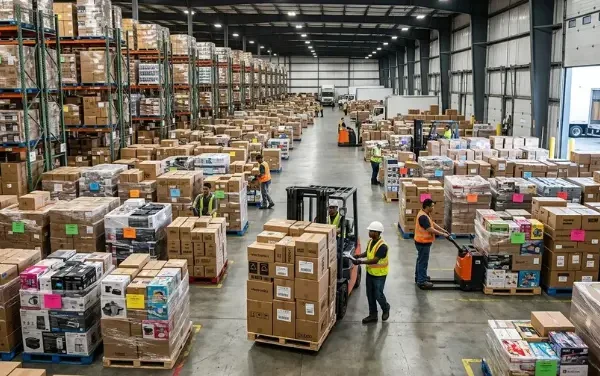
Liquidation inventory is another attractive option for resellers seeking discounted merchandise. Liquidation companies sell excess stock, customer returns, discontinued products, and inventory from businesses that are closing or restructuring.
These products may include electronics, furniture, clothing, appliances, tools, and auto parts. Depending on the supplier, inventory may be available as individual items, bulk lots, pallets, or truckloads.
Resellers often explore liquidation deals because the purchase price can be lower than standard wholesale or retail pricing.
However, product condition and inventory quality can vary. Always review manifests when available, inspect return policies, calculate shipping costs, and estimate the resale value before purchasing liquidation pallets or bulk merchandise.
3. Manufacturers and Direct Suppliers
Buying directly from manufacturers can help resellers reduce intermediary costs and establish more control over product selection.
This sourcing method is especially useful for businesses purchasing products in larger quantities or developing private-label brands. Manufacturers may offer customization, packaging options, and volume-based pricing, depending on their terms.
Research supplier credentials, request product samples, and confirm production timelines before committing to a significant order.
4. Online Marketplaces and Resale Platforms
Online marketplaces make it easier to discover potential inventory sources without visiting physical warehouses. Resellers use platforms such as Alibaba, eBay, and local business-to-business marketplaces to research suppliers, compare prices, and identify products with resale potential.
Some platforms primarily connect buyers with manufacturers or wholesalers, while others offer secondhand merchandise, individual products, or bulk lots.
Compare total acquisition costs rather than the advertised price alone. Shipping, taxes, platform fees, import duties, and potential returns can significantly affect your final profit margin.
5. Thrift Stores, Garage Sales, and Clearance Events
For resellers working with smaller budgets, thrift stores, estate sales, garage sales, and retail clearance events can provide affordable inventory.
These sources are particularly useful for secondhand clothing, vintage collectibles, books, home décor, toys, and unique items that may appeal to niche buyers.
Successful sourcing requires patience, product knowledge, and an understanding of what customers are willing to pay.
How Do Resellers Choose the Best Products?
Finding inventory is only the first step. Profitable resellers evaluate demand, competition, product condition, selling fees, shipping expenses, and expected profit margins before buying.
A simple calculation can help:
Estimated profit = Selling price − Total costs
Include the purchase price, shipping, packaging, marketplace fees, taxes where applicable, and other operating expenses. Research completed sales rather than relying exclusively on listing prices.
Start Building Your Resale Business Today
So, where do resellers get their products? The most common sources include wholesale suppliers, liquidation companies, manufacturers, online marketplaces, clearance sales, and secondhand stores.
The best sourcing strategy combines reliable suppliers, competitive purchasing costs, and products that match your customers’ needs.
Ready to find profitable resale inventory? Compare wholesale deals, explore liquidation sales, research trending products, and start with a manageable order. With careful product sourcing and smart pricing, you can build a stronger resale business while creating more opportunities for long-term growth.